+86 173 3000 3202


How to Choose a Reliable Furniture Manufacturer in China: A Buyer's Guide
China has emerged as one of the world’s leading furniture manufacturing and export hubs. It boasts a wide range of product categories, highly competitive pricing, flexible customization services, and a well-established supply chain.
For international furniture importers, wholesalers, retailers, and interior design firms, sourcing furniture directly from China presents tremendous business opportunities. However, finding a trustworthy furniture manufacturer is never an easy task.
Faced with thousands of suppliers offering similar products, how can you locate a factory that is reliable, capable of delivering consistent quality at competitive prices, and honouring delivery schedules?
In this guide, we outline the key factors to consider when selecting a dependable furniture manufacturer in China.
1. Review the Manufacturer's Experience and Industry Background
Experience is one of the primary factors to evaluate when vetting furniture suppliers. Manufacturers with solid experience typically possess in-depth knowledge of international market requirements, product specifications, production workflows, and export procedures.
Before placing an order, consider the following questions:
How many years has the company been manufacturing furniture?
Which furniture categories does it specialise in?
Which countries and regions does it export to?
Does it have a track record of working with international buyers?
Can it share past project references or product samples?
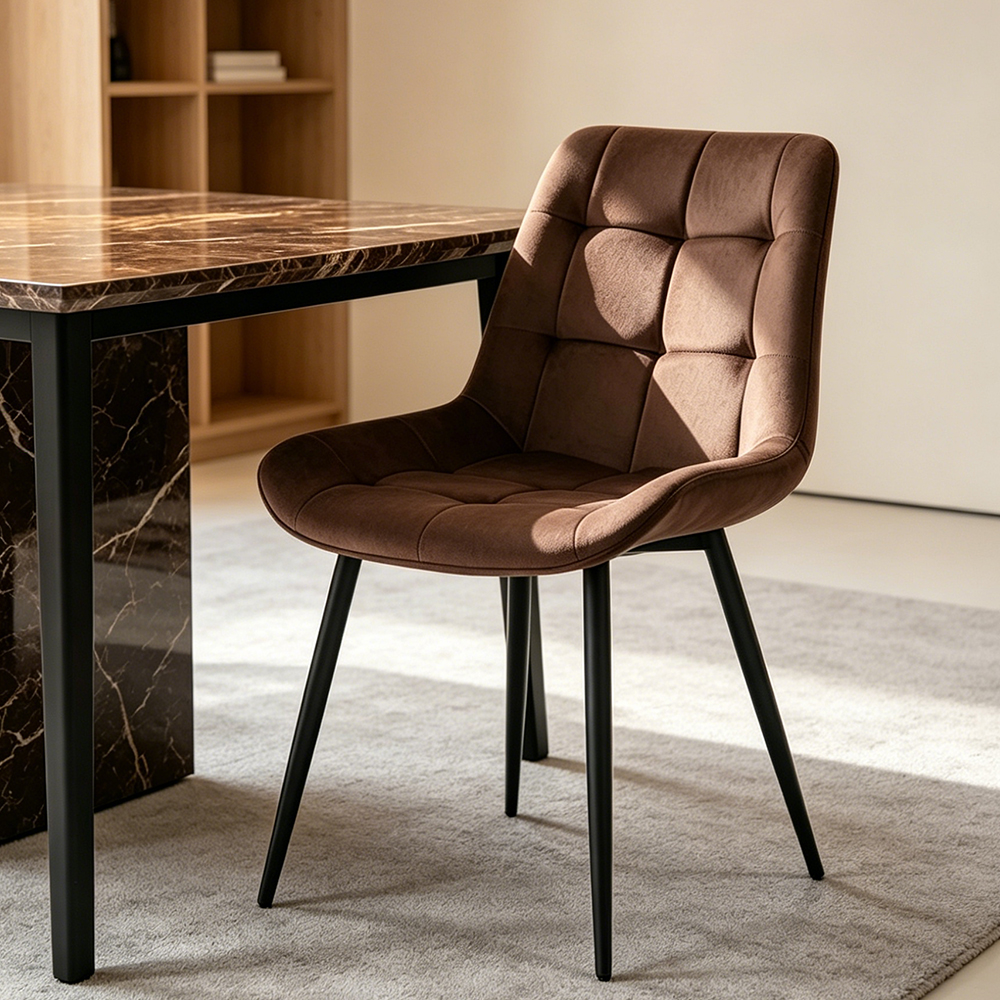
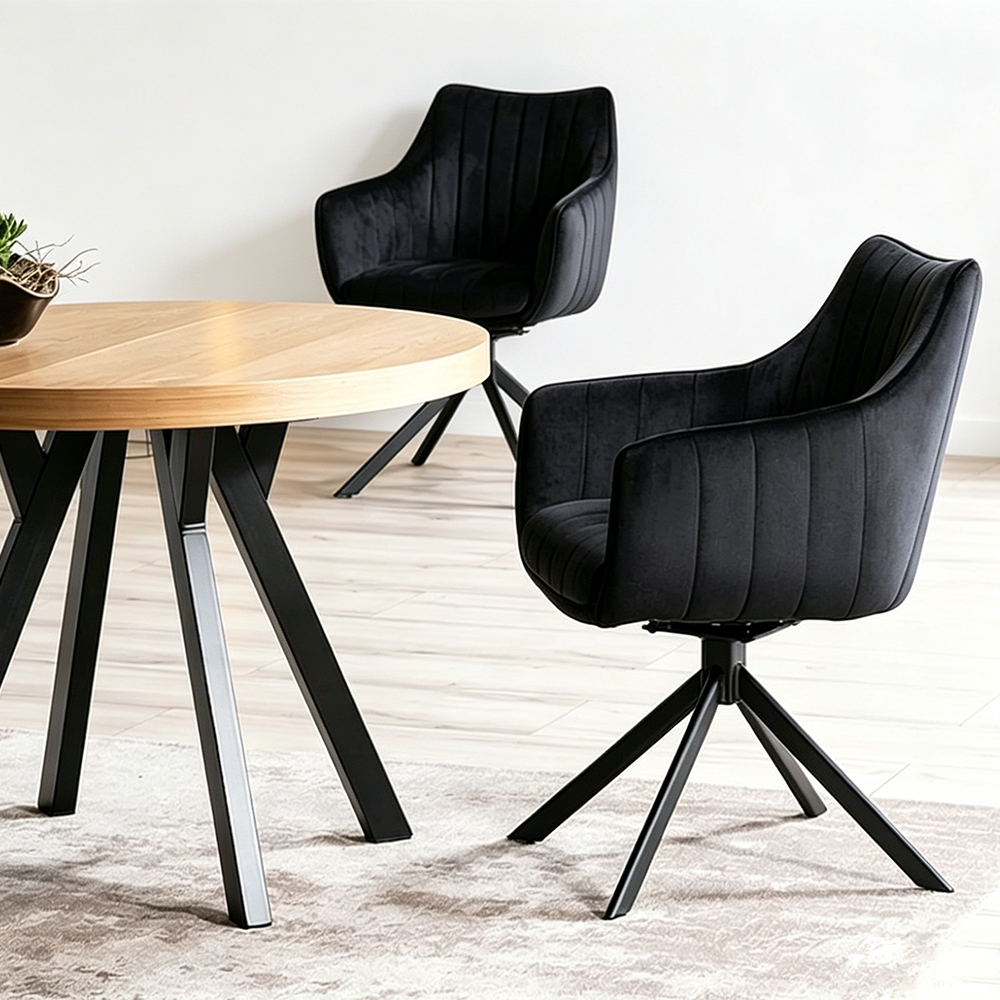
For example, if you are sourcing dining chairs, wooden chairs, metal chairs, or banquet chairs, it is preferable to partner with a manufacturer specialised in this product segment. A supplier with relevant industry expertise can better understand your requirements and reduce risks in communication and production.
2. Assess Factory Capability and Production Capacity
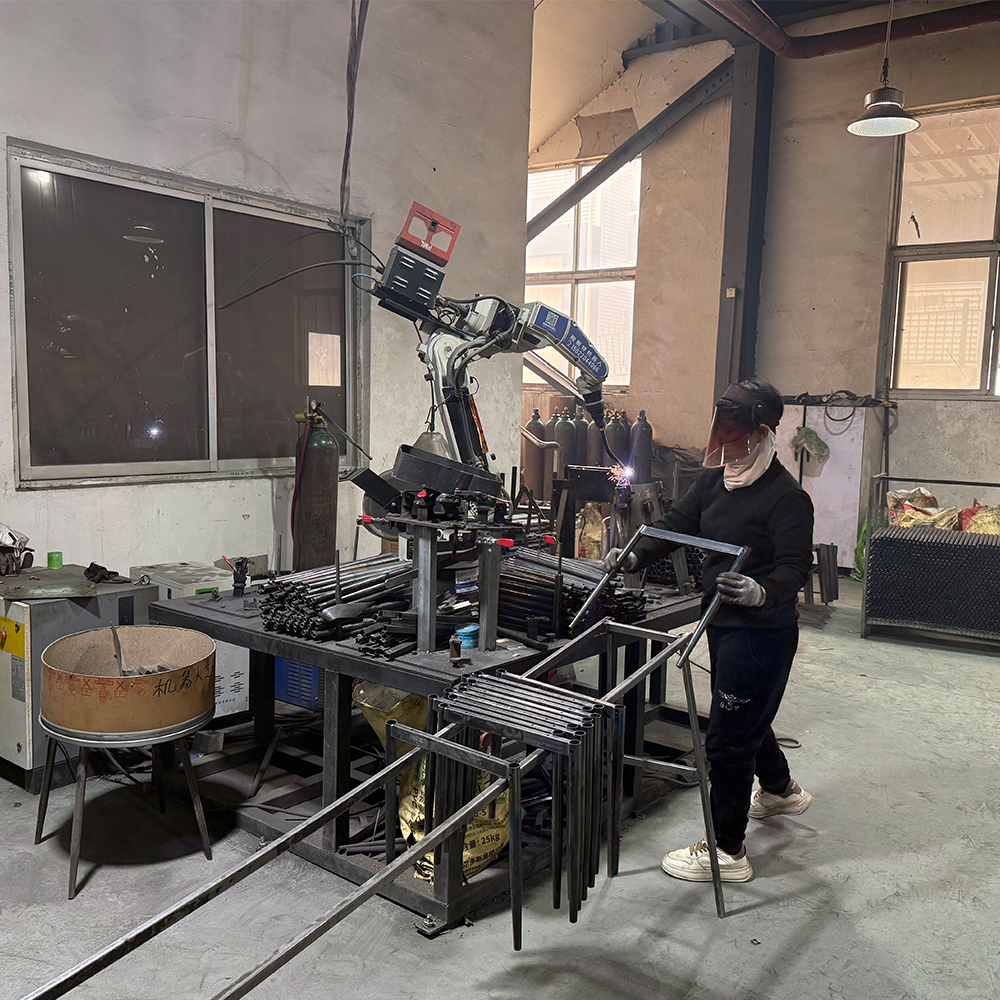
A professional furniture manufacturer should have adequate production facilities, a skilled workforce, and robust quality management processes to handle your orders.
When evaluating a factory, pay attention to:
Production equipment and manufacturing facilities
Skilled production workers
Competency in welding, woodworking, and upholstery
Production planning and order management
Quality inspection procedures
Packaging and warehousing facilities
You may request factory photos, production videos, or arrange a virtual tour to verify the manufacturer’s actual capabilities. For large-volume orders, it is also critical to confirm whether the factory can maintain consistent product quality and meet your required lead time.
3. Prioritise Product Quality and Quality Control
Product quality directly affects customer satisfaction, brand reputation, and long-term business relationships. Before selecting a furniture manufacturer, enquire about its quality control procedures.
A reliable manufacturer implements inspection protocols covering different production stages:
Incoming Material Inspection: Check raw materials before production, including timber, metal frames, foam, fabric, leather, and hardware.
In-Process Quality Inspection: Monitor processes such as cutting, welding, polishing, painting, upholstery and assembly to identify potential defects during manufacturing.
Finished Goods Inspection: Verify dimensions, structural stability, appearance, functionality, and overall workmanship.
Packaging Inspection: Ensure furniture is properly protected to minimise damage during international transit.
For upholstered chairs, buyers may need fire safety tests such as EN 1021-1 and EN 1021-2, subject to target markets and project specifications. For commercial seating, EN 16139 may apply, while buyers for domestic seating may refer to EN 12520. Always confirm that test reports match the actual materials and specifications of the product.
4. Check OEM and ODM Customisation Capabilities
Furniture preferences vary across markets, and many importers require customised products to build brand differentiation. Selecting a manufacturer with flexible OEM and ODM capabilities opens up more opportunities for product development.
Common customisation options include:
Upholstery in fabric, velvet, PU leather and genuine leather
Frame materials: solid wood, plywood and metal
Wood stains, metal finishes and powder coating
Product dimension and structural modifications
Custom logos and labels
Retail packaging and export cartons
Before launching a custom project, provide the supplier with reference images, technical drawings, material requirements, and target specifications. It is recommended to request pre-production samples or prototypes to confirm design and craftsmanship prior to mass production.
5. Compare Pricing, MOQ and Total Sourcing Cost
Price matters, but the lowest quotation does not always represent the best value for money. When comparing furniture suppliers in China, make sure you are comparing products with identical specifications.
Take these elements into account: Raw material quality, Product dimensions and structure, Upholstery and finishing requirements, Packaging specifications, Minimum Order Quantity (MOQ), Sample charges, Production lead time, Shipping terms and additional expenses.
For international buyers, it is vital to understand quotation terms such as EXW, FOB, and CIF. A professional supplier will issue clear quotations with product specifications, packaging details and delivery terms attached. Do not focus solely on unit price; evaluate the total sourcing cost against expected product quality.
6. Verify Export Experience and International Logistics Competence
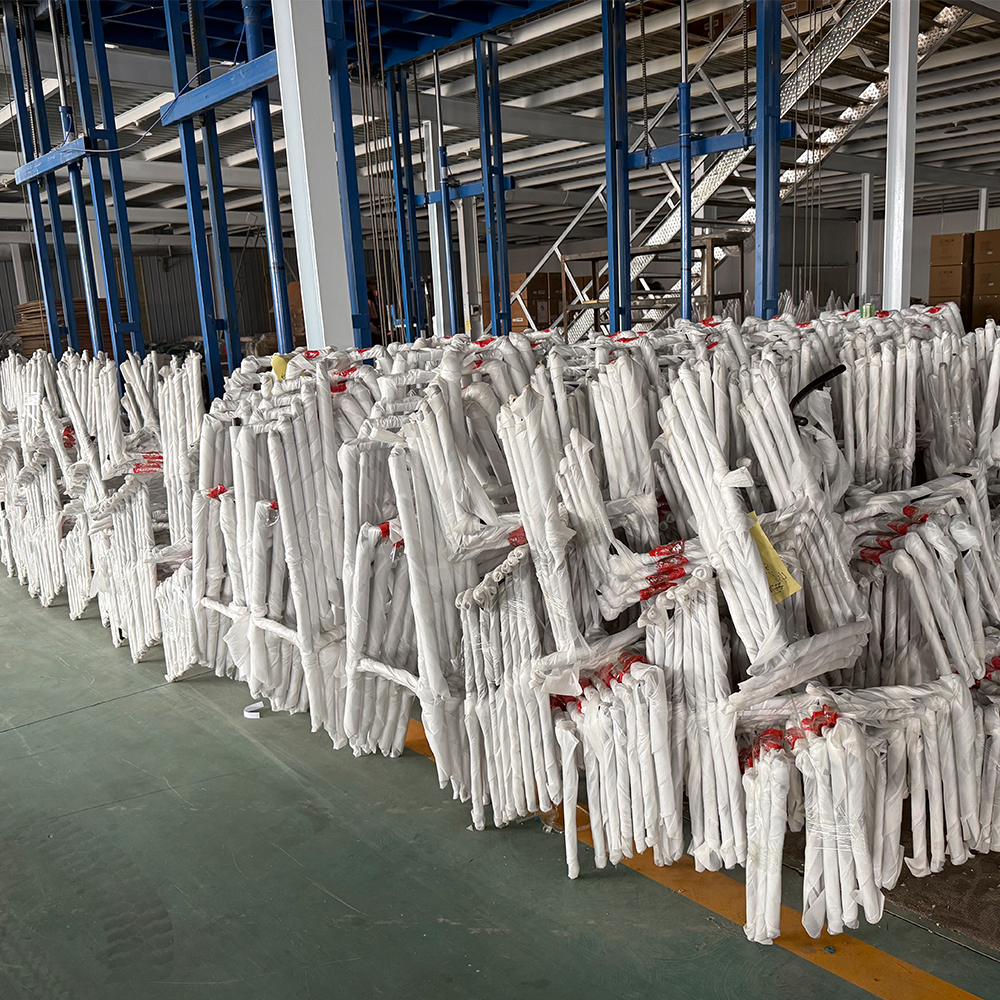
Export experience is especially important when sourcing furniture from an overseas manufacturer. Furniture usually requires specialised packaging and careful container loading to avoid damage during long-distance shipping.
Before confirming an order, check whether the supplier can provide support for:
Export-grade packaging
Custom cartons and pallets
Container loading planning
Commercial invoices and packing lists
Shipment coordination and document handling
Delivery schedule management
For bulk furniture orders, well-designed packaging helps optimise container space and cut freight costs. Manufacturers familiar with international shipping requirements can make your sourcing process smoother and more efficient.
7. Evaluate Communication and After-Sales Service
Effective communication is the foundation of successful international cooperation. A dependable furniture supplier should answer questions about product details, quotations, samples, production schedules and shipping arrangements clearly and professionally.
Before placing a large order, observe whether the supplier can:
Respond to enquiries promptly
Comprehend your product requirements
Provide accurate product information
Update production progress in a timely manner
Handle quality issues professionally
Offer reasonable after-sales support
Long-term cooperation relies not only on product quality and pricing, but also on trust, transparency and efficient communication.
8. Request Samples Before Bulk Orders
Product samples allow buyers to assess quality before making large investments. When reviewing furniture samples, check the following:
Material consistency
Frame strength and stability
Quality of welding and surface finishing
Fabric texture and colour
Foam density and comfort
Product dimensions
Assembly and packaging
If the sample is approved, use it as the benchmark for mass production. For custom furniture projects, document all confirmed specifications clearly to minimise discrepancies between samples and bulk goods.
9. Build Long-Term Partnerships Instead of Being Price-Driven Only
Sourcing a furniture manufacturer should be treated as a long-term business decision. A reliable supplier can help you develop new products, refine existing designs, sustain consistent quality and adapt to changing market demands.
For furniture importers and wholesalers, long-term partnerships bring extra benefits:
More efficient product development
Streamlined production planning
Consistent product specifications
Flexible customisation services
Smoother order coordination
Stable supply arrangements
The right manufacturing partner understands your business goals and grows alongside your company.
Why Choose AIN Furniture as Your Chinese Furniture Supplier?
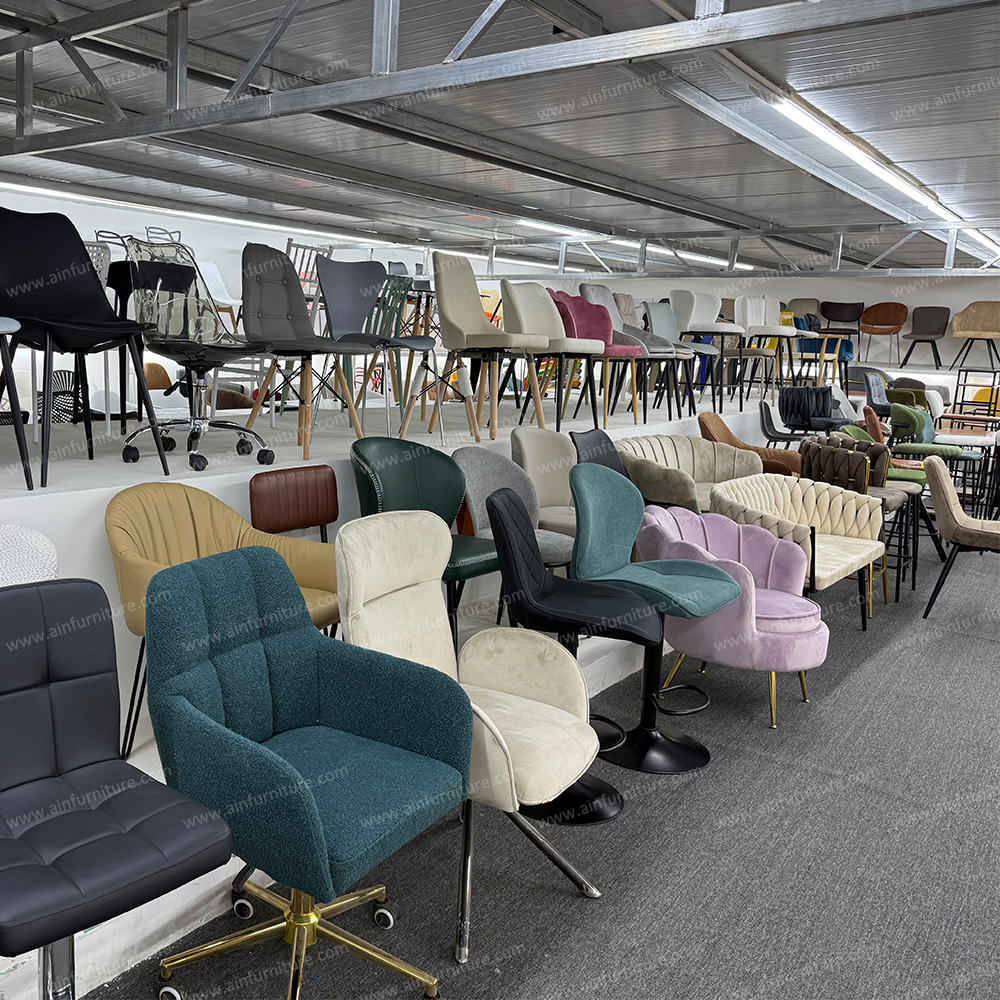
AIN Furniture specialises in the R&D and export of dining chairs, wooden chairs, metal chairs, upholstered chairs, and dining tables.
With over ten years of experience collaborating with international buyers, we fully understand the importance of product quality, competitive pricing, customisation, and reliable delivery.
Our services include:
Extensive Product Selection: We offer a wide range of furniture designs for residential, hospitality and commercial spaces.
OEM & ODM Customisation: We deliver tailored solutions covering materials, colours, dimensions and packaging to match client requirements.
Strict Quality Control: Our QC team monitors quality throughout the whole production cycle to ensure consistent high standards.
Rich Export Experience: We understand overseas buyers’ needs and provide support for export packaging, order coordination, and shipping arrangements.
Long-Term Client Partnership: We value lasting relationships and work closely with customers to keep up with evolving product and market demands.
Whether you are a furniture wholesaler, retailer, importer or brand owner, AIN Furniture stands ready to support your sourcing and product development needs.
Conclusion
Selecting a qualified furniture manufacturer in China is a comprehensive process. It requires careful verification of factory strength, quality control systems, customisation capacity, and export capabilities. If you carry out due diligence step by step, you can find a stable, trustworthy supplier and achieve sustainable growth for your furniture business.